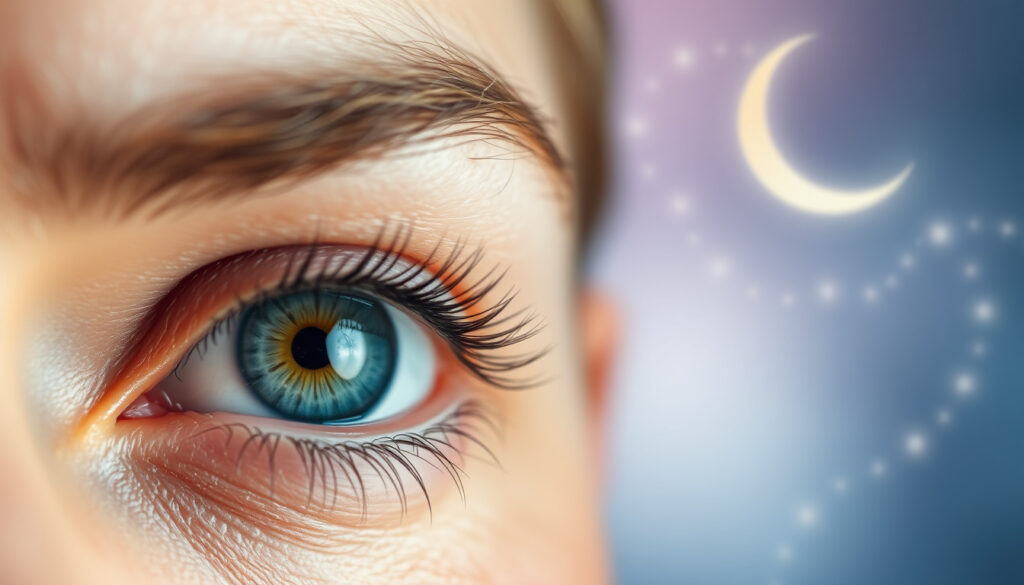
Left Eye Twitching for Female: Causes & Spiritual Meaning
Few things are as distracting as a twitching eyelid, especially when you’re mid-conversation or trying to focus. This guide separates medical causes from cultural superstitions so you can decide what’s worth worrying about.
Most common cause: Stress and fatigue ·
Typical duration: Seconds to minutes, occasionally days ·
Self‑resolution rate: Over 90% within a few days ·
Gender prevalence: Women report twitching slightly more often, possibly due to hormonal fluctuations
Quick snapshot
- Stress, fatigue, caffeine, and eye strain are common triggers (Liberty Laser Eye, ophthalmology practice)
- Most cases are benign and self‑limiting (All About Vision, vision health resource)
- Hormonal changes can influence twitching frequency in women (Your Health Magazine, health publication)
- Vitamin deficiencies (magnesium, potassium) may contribute (Verywell Health, medical resource)
- Exact spiritual meanings vary widely between cultures and individuals (Vocal Media, cultural commentary)
- Whether left eye twitching specifically indicates pregnancy is anecdotal (Vocal Media, cultural commentary)
- Mechanism of gender difference beyond hormones is not fully understood (Vocal Media, cultural commentary)
- Twitching usually lasts seconds to minutes, rarely days (All About Vision)
- If persistent beyond 2 weeks, seek medical evaluation (Cedars‑Sinai, academic medical center)
- Try reducing caffeine, improving sleep, and using warm compresses (Specsavers, optometry chain)
- If twitching persists or spreads, consult a doctor (Mayo Clinic, medical institution)
Six quick facts that capture the medical basics:
| Fact | Detail |
|---|---|
| Most common cause | Stress and fatigue (Liberty Laser Eye) |
| Duration | Seconds to minutes, rarely days (All About Vision) |
| Self‑resolution rate | >90% resolve without treatment (Cedars‑Sinai) |
| Gender factor | Women may experience more due to hormonal shifts (Your Health Magazine) |
| Stroke rule‑out | Twitching alone is not a stroke symptom (NHS, UK health service) |
| Common triggers | Caffeine, alcohol, sleep deprivation, eye strain (Harvard Health Publishing, university medical publisher) |
| When to see a doctor | If twitching lasts >2 weeks, spreads to other face muscles, or occurs with vision changes (Mayo Clinic) |
Why is my left eye twitching female?
The medical term for a twitching eyelid is eyelid myokymia — an involuntary, fine spasm of the orbicularis oculi muscle. In women, several factors can trigger or amplify it.
Women face a higher likelihood of twitching due to hormonal shifts during menstruation, pregnancy, and menopause, but the root triggers are often lifestyle-related.
Common triggers for women
- Stress and fatigue: the most frequently reported cause (Liberty Laser Eye)
- Caffeine and alcohol: stimulants that exacerbate muscle excitability (Parade, lifestyle publication)
- Eye strain from prolonged screen time without breaks (Harvard Health Publishing)
Hormonal influences
Estrogen and progesterone fluctuations can affect neuromuscular excitability. Anecdotal reports and some small studies suggest twitching episodes increase around ovulation, before menstruation, and during perimenopause (Your Health Magazine).
Role of diet and hydration
- Low magnesium or potassium levels can cause muscle spasms (Verywell Health)
- Dehydration reduces electrolyte balance, making twitching more likely (WebMD, health information publisher)
The pattern: what you consume and how you rest directly affect how often your eyelid twitch. The implication: small lifestyle tweaks can have a big payoff.
What does left eye twitching mean spiritually?
Beyond the clinical, left eye twitching carries deep symbolic weight in many cultures, especially for women.
“The left side of the body is traditionally associated with subconscious, intuition, and receptive or feminine energy.”
— Parade (quoting a clinician, full article)
Left eye twitching in Hinduism
- In Hindu tradition, left eye twitching in females is often considered auspicious and a sign of good fortune (99Pandit, astrology resource)
- Conversely, right eye twitching for women is seen as a warning in some interpretations
Left eye twitching in Islam
- In Islamic folklore, twitching of the left eye may be interpreted as a reminder to pray or a warning of forthcoming news (Sanatan Gyan, spiritual blog)
- There is no direct mention of eye twitching in the Quran; interpretations come from cultural tradition
General spiritual omens
- Many folk beliefs associate left eye twitching with upcoming news or changes — good or bad depending on upper/lower lid and time of day (Parade)
- Some Southeast Asian traditions see it as a sign of intuitive alertness (Sanatan Gyan)
The trade-off: spiritual meanings are deeply personal and vary by culture. For women seeking a reading, context matters — but no tradition suggests immediate danger.
Is left eye twitching good luck?
The answer depends on whom you ask and which eyelid is twitching.
In many Asian cultures, left eye twitching for women is a lucky sign; in others, it’s a warning. The same flicker can mean a visitor is coming or tears are ahead.
Positive omens across cultures
- In parts of India and China, left eye twitching for women signals upcoming prosperity, a family event, or a joyful reunion (99Pandit)
- Some European folklore treats left eye twitching as a harbinger of good news – especially if the upper lid twitches (Vocal Media)
Negative superstitious interpretations
- Lower left eyelid twitching is sometimes said to foretell sadness or tears (99Pandit)
- In some Middle Eastern traditions, a twitching left eye for women is a caution to avoid travel or postpone important decisions
The catch: no single belief system is universal. A woman reading these signs should filter them through her own background — and remember that most twitches are just tired muscles.
Should I be worried if my left eye is twitching?
For the vast majority of cases, worry is unnecessary. But there are clear red lines.
When to see a doctor
- If twitching persists for more than two weeks (All About Vision)
- If the spasm spreads to other parts of the face (cheek, lip) (Mayo Clinic)
- If the eye becomes red, swollen, or has discharge
- If you experience vision changes or eyelid drooping (NHS)
Distinguishing twitching from stroke symptoms
- Eye twitching alone is not a sign of a mini‑stroke (TIA). Stroke symptoms include sudden numbness, confusion, trouble speaking, or loss of balance (Harvard Health Publishing)
- Benign essential blepharospasm is a separate condition of repeated, forceful blinking — distinct from ordinary twitching (Cedars‑Sinai)
If your left eye twitching is your only symptom, it’s almost certainly harmless. A stroke always comes with company — weakness, drooping, speech trouble.
Why this matters: knowing the difference can save a trip to the ER — or prompt one when it counts.
Eye Twitching: When Should You Worry and How to Prevent It?
Even benign twitching is annoying. Here are evidence-backed steps to reduce its frequency for women.
Prevention strategies
- Limit caffeine to under 200 mg per day (about one 12‑oz coffee) (Specsavers)
- Get 7–9 hours of sleep nightly; sleep deprivation is a top trigger (Harvard Health Publishing)
- Practice the 20‑20‑20 rule: every 20 minutes, look at something 20 feet away for 20 seconds
Lifestyle adjustments
- Stay hydrated — aim for 8–10 cups of water daily (WebMD)
- Eat magnesium‑rich foods (almonds, spinach, bananas) or consider a supplement after consulting a doctor (Verywell Health)
- Reduce alcohol consumption: it dehydrates and disrupts sleep
Home remedies
- Apply a warm compress to the eyelid for 5–10 minutes to relax the muscle (All About Vision)
- Gentle massage in circular motions around the eye
- Try relaxation techniques: deep breathing, meditation, or gentle yoga (Vocal Media)
Clarity: confirmed vs. uncertain
Confirmed facts
- Stress, fatigue, caffeine, and eye strain are common triggers
- Most cases are benign and self‑limiting
- Hormonal changes in women can influence twitching frequency
- Vitamin deficiencies (magnesium, potassium) can contribute
What’s unclear
- Exact spiritual meanings vary widely between cultures and individuals
- Whether left eye twitching specifically indicates pregnancy is anecdotal
- Mechanism of gender difference beyond hormones is not fully understood
Expert perspectives on left eye twitching
“Eye twitching, medically called eyelid myokymia, is usually harmless and goes away on its own within a few days.”
— Cleveland Clinic, nonprofit medical center, source
“For women, hormonal changes during pregnancy, menopause, or the menstrual cycle can make eyelid twitching more common.”
— Ubie Health, AI symptom checker, source
“Benign essential blepharospasm is a more severe, repetitive eyelid spasm that can interfere with vision. It is different from ordinary twitching.”
— Cedars‑Sinai, academic medical center, source
“Most eye twitches stop on their own within a few hours or days. If they don’t, self‑care measures like reducing caffeine and getting more sleep usually do the trick.”
— Specsavers, optometry provider, source
For women who experience left eye twitching, the choice is clear: treat it as a signal from your body to rest and hydrate, not as a medical emergency. A warm compress, a break from screens, and a good night’s sleep will resolve the vast majority of cases — and if the twitching persists beyond two weeks, an eye exam will put your mind at ease.
For a deeper dive into the cultural and medical perspectives, see this detailed guide on left eye twitching in females.
Frequently asked questions
Can lack of sleep cause left eye twitching in females?
Yes, sleep deprivation is one of the most common triggers. Fatigue means the nervous system is more excitable, increasing spontaneous muscle contractions. (Harvard Health Publishing)
Does left eye twitching indicate a stroke?
No — eye twitching alone is not a stroke symptom. Stroke involves sudden numbness, confusion, or difficulty speaking. If you have only a twitching eyelid, it’s almost certainly benign. (NHS)
Is left eye twitching a sign of pregnancy?
There are anecdotal reports linking pregnancy hormones to increased eye twitching, but no scientific study confirms this. If you suspect pregnancy, a test is more reliable than a twitch. (Your Health Magazine)
What does left eye twitching mean in Hinduism for women?
In Hindu tradition, left eye twitching in women is generally considered a good omen, associated with good fortune, a visit from a loved one, or financial gain. (99Pandit)
How long does eye twitching usually last?
Most episodes last a few seconds to a few minutes. In some cases, twitching can come and go for a few days. Long-lasting twitching (over two weeks) should be checked by a doctor. (All About Vision)
Can caffeine trigger left eye twitching?
Yes. Caffeine is a stimulant that increases nerve excitability. Reducing coffee, tea, or energy drinks often helps reduce twitching frequency. (Parade)
What vitamin deficiency is most often linked to eye twitching?
Magnesium and potassium deficiencies are most commonly associated with muscle spasms. Vitamin B12 deficiency can also affect nerve function. (Verywell Health)
More related posts
 100,000 USD to CAD: Current Rate, Value, and Costs
 Vince Big Brother Girlfriend – Post-Show Split and Status
 The Lego Batman Movie: Why It Was So Good, Sequel Cancelled
 King Kong: History, Symbolism, and Box Office Facts
 Symptoms of Cervical Cancer: Early Warning Signs
 Shannen Doherty: Life, Death, and Legacy
 Jung So-Min: Biography, Relationships, Latest News & FAQs (2025)
 5 Chefs dans ma Cuisine: Recipes, Cast, Episodes Guide
